
bioLNG comes to Scotland.
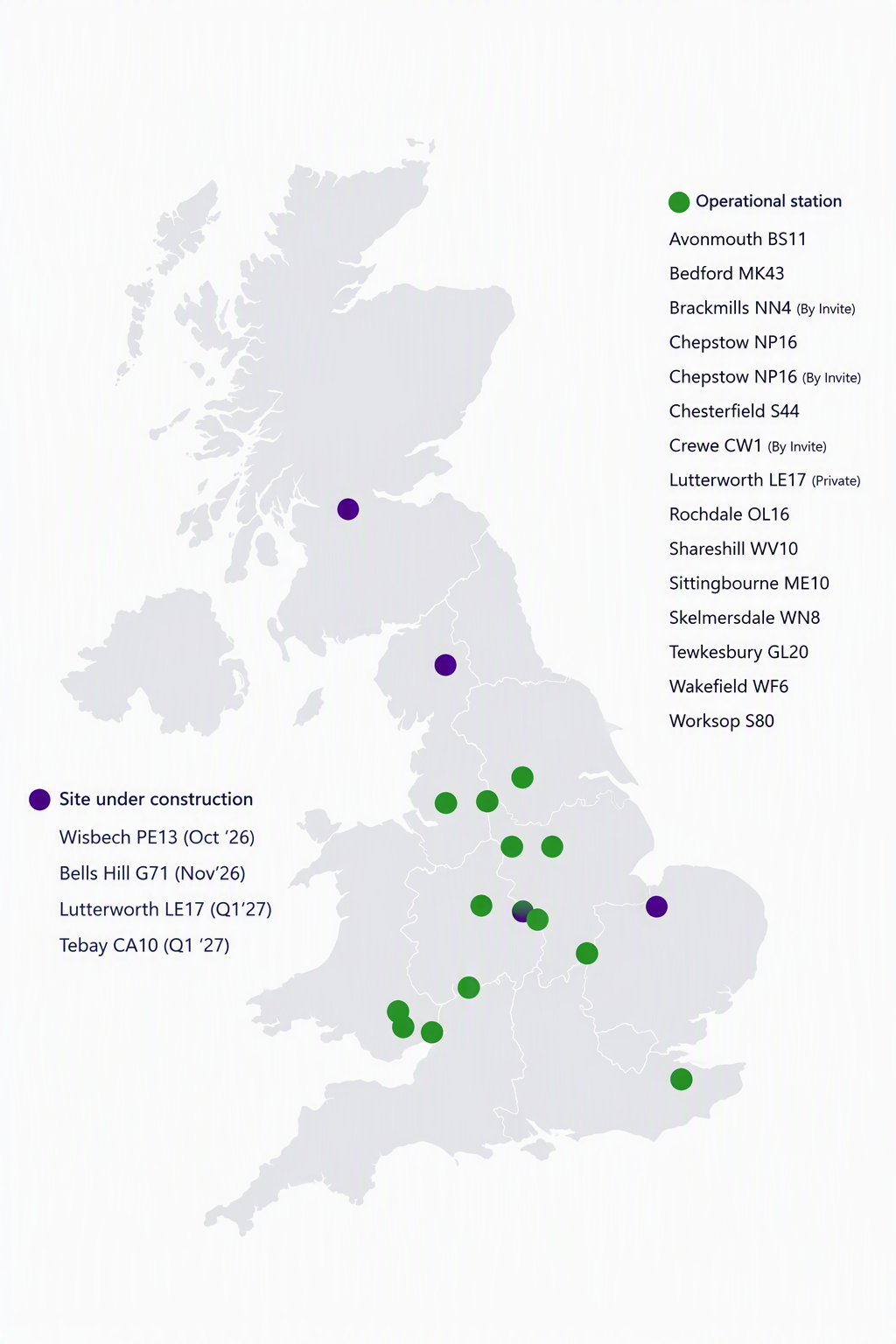
Our network is growing
The next stop: Bellshill
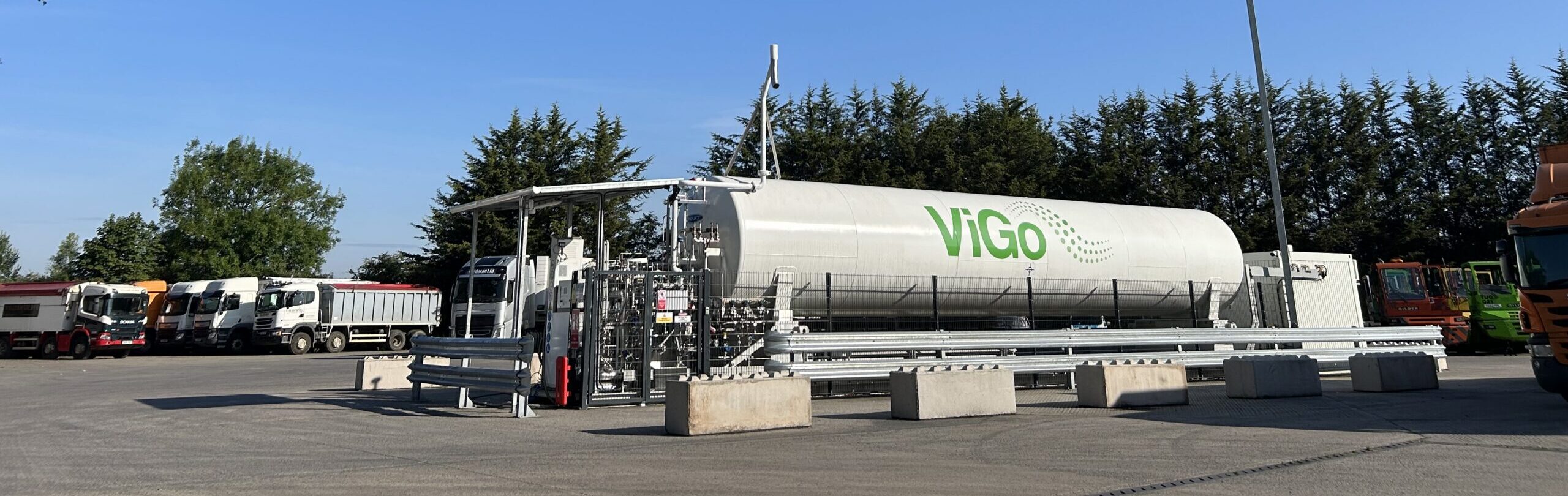
ViGo is expanding its bioLNG network into Scotland, bringing renewable fuel closer to fleets operating across the region.
With our new station in Bellshill, we are taking the next step in making bioLNG more accessible for Scottish transport operators and connecting Scotland to ViGo’s growing European network.
18–19 November 2026 | Stand A46
Meet ViGo at RTX Scotland
bioLNG is coming to Scotland, and we’re coming to Glasgow to talk about what that means for your fleet.
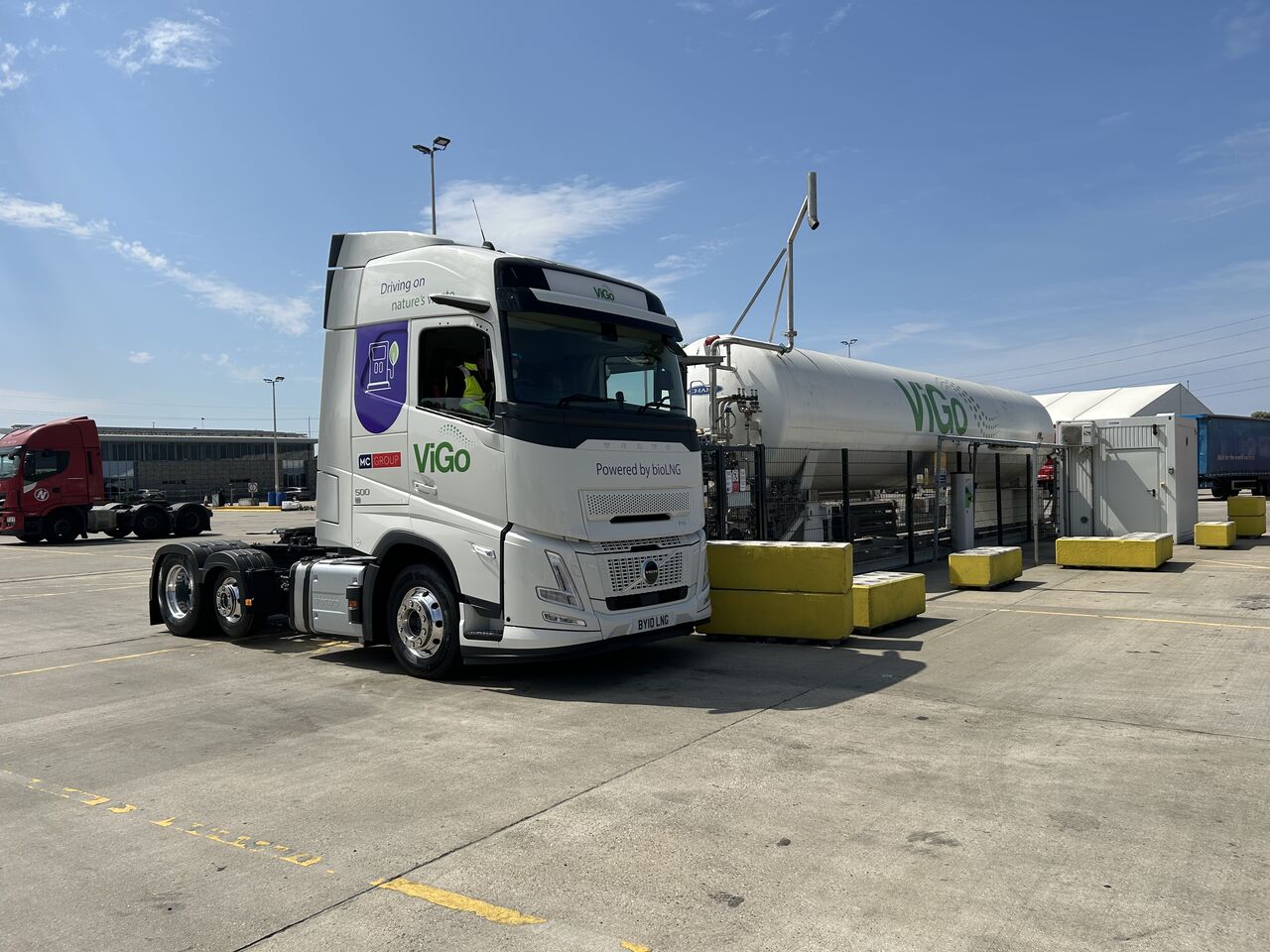
Meet the ViGo team at RTX Scotland to explore the practical and commercial side of switching from diesel to bioLNG. From fuel costs and refuelling infrastructure to vehicle range, emissions and day-to-day operations, we can help you understand how bioLNG could work for your business.
And if you want to experience it before making a longer-term decision, talk to us about putting an LNG truck to the test on your own routes.


FAQs
Where can I refuel with ViGo in Scotland?
We’re expanding our UK refuelling network with a new Bio-LNG station in Bellshill, North Lanarkshire, scheduled to open before Christmas 2026.
Located in Scotland’s central belt, the station will provide a convenient refuelling option for operators travelling through the region, supported by our wider UK network.
Is Bio-LNG cheaper than diesel?
Bio-LNG can offer significant fuel cost savings compared with diesel.
Actual savings depend on your vehicle’s fuel consumption, annual mileage, operating routes and fuel pricing. Our team can provide a tailored cost comparison to demonstrate the potential savings for your fleet.
Can I trial an LNG truck before committing?
Yes! ViGo offers a 2–3 week LNG demonstrator truck trial, with no vehicle hire charge. You simply pay for the gas consumed.
This allows you to assess vehicle performance, range and operating costs on your own routes before making any longer-term investment.
How far can an LNG truck travel on one tank?
Our LNG demonstrator truck has an approximate range of 450 miles on a full tank, depending on vehicle load, driving conditions and operating routes.
This makes it suitable for many regional and trunking operations, supported by ViGo’s growing refuelling network.
How long does it take to refuel an LNG truck?
Refuelling an LNG truck takes a comparable amount of time to refuelling a diesel truck, making it easy to incorporate into normal fleet operations.
Drivers receive the appropriate training to ensure the refuelling process is safe and straightforward.
How much can Bio-LNG reduce my carbon emissions?
ViGo offers two Bio-LNG options to suit different sustainability and commercial objectives:
- Waste-derived Bio-LNG: Approximately 88% reduction in lifecycle greenhouse gas emissions compared with diesel.
- Manure-derived Bio-LNG: Up to 200% lifecycle greenhouse gas reduction compared with diesel, available at an additional cost.
The manure-derived option can achieve net-negative lifecycle emissions due to avoided methane emissions associated with manure management.
What’s the difference between LNG and Bio-LNG?
Both fuels can be used in compatible LNG-powered trucks.
Conventional LNG is derived from fossil natural gas, whereas Bio-LNG is produced from renewable organic materials, including waste and manure.
Bio-LNG offers significantly greater potential for lifecycle carbon savings compared with fossil LNG.
Do I need to buy new trucks to use Bio-LNG?
Bio-LNG requires an LNG-compatible vehicle and cannot be used directly in a conventional diesel truck.
However, our demonstrator programme allows operators to experience LNG technology and assess its suitability before making a purchasing decision.
Can I refuel at other ViGo stations across the UK?
Yes. ViGo has a growing network of LNG refuelling stations across the UK, supporting both regional and national transport operations.
Our team can help identify suitable refuelling locations along your regular routes, subject to individual station access arrangements.
How do I find out whether Bio-LNG is suitable for my fleet?
Simply speak to the ViGo team at RTX Scotland.
We’ll review your fleet, annual mileage, operating routes and current fuel consumption to assess the potential financial and environmental benefits of switching to Bio-LNG.
Let's chat!
We can help you decarbonise your fleet, and keep your costs low
Complete the form to book an appointment at our stand.