News | 19.05.2026

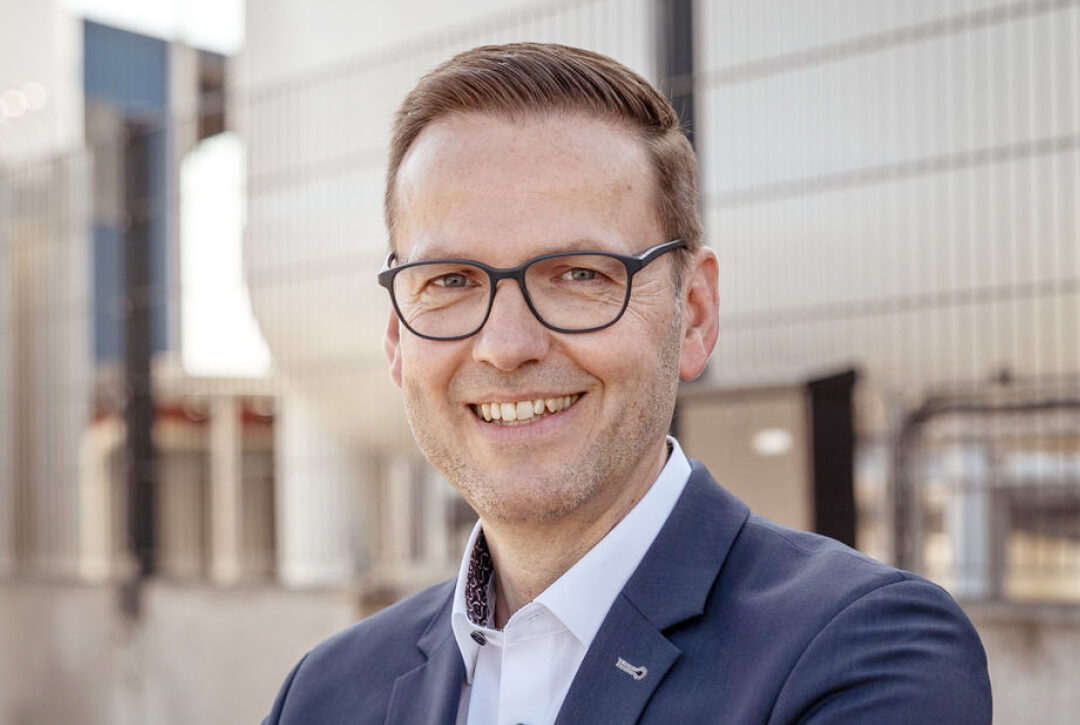
Javier Rodriguez has been appointed Head of Downstream Sales for ViGo Group, bringing years of experience in heavy goods vehicle sales, gas markets and fleet transition. Having worked in the UK gas truck market for many years, Javier went on to co-found Next Gen, the UK business that was acquired by Vitol and merged with ViGo Bioenergy in 2023. After leading UK sales in recent years, Javier now steps into a group-level role overseeing downstream sales activity across ViGo’s European markets.
What will you be focused on as Head of Downstream Sales for ViGo Group?
My focus is on supporting customers across our downstream network and making it easier for fleet operators to adopt biomethane within their operations.
That means building strong customer relationships, aligning our sales teams across markets, and helping customers understand the commercial, operational and environmental factors involved in switching fuels.
You have spent much of your career in gas mobility. What first drew you to this part of the transport sector?
What drew me in was how tangible the sector is. You can stand in a yard, speak to a driver or fleet manager, and understand very quickly whether a solution is workable.
Heavy-duty transport is practical by nature: range, refuelling time, reliability and cost all matter every day. Biomethane made sense to me because it addressed those realities directly, while also helping customers move towards their sustainability targets.
What led you to switch from truck sales to the supply side?
Starting Next Gen came from seeing a very practical gap in the market. I had been selling gas trucks and could see genuine interest from fleet operators, but the infrastructure was not keeping pace. Customers were willing to consider the vehicles, but they needed confidence that they would be able to refuel reliably on the routes they actually operated.
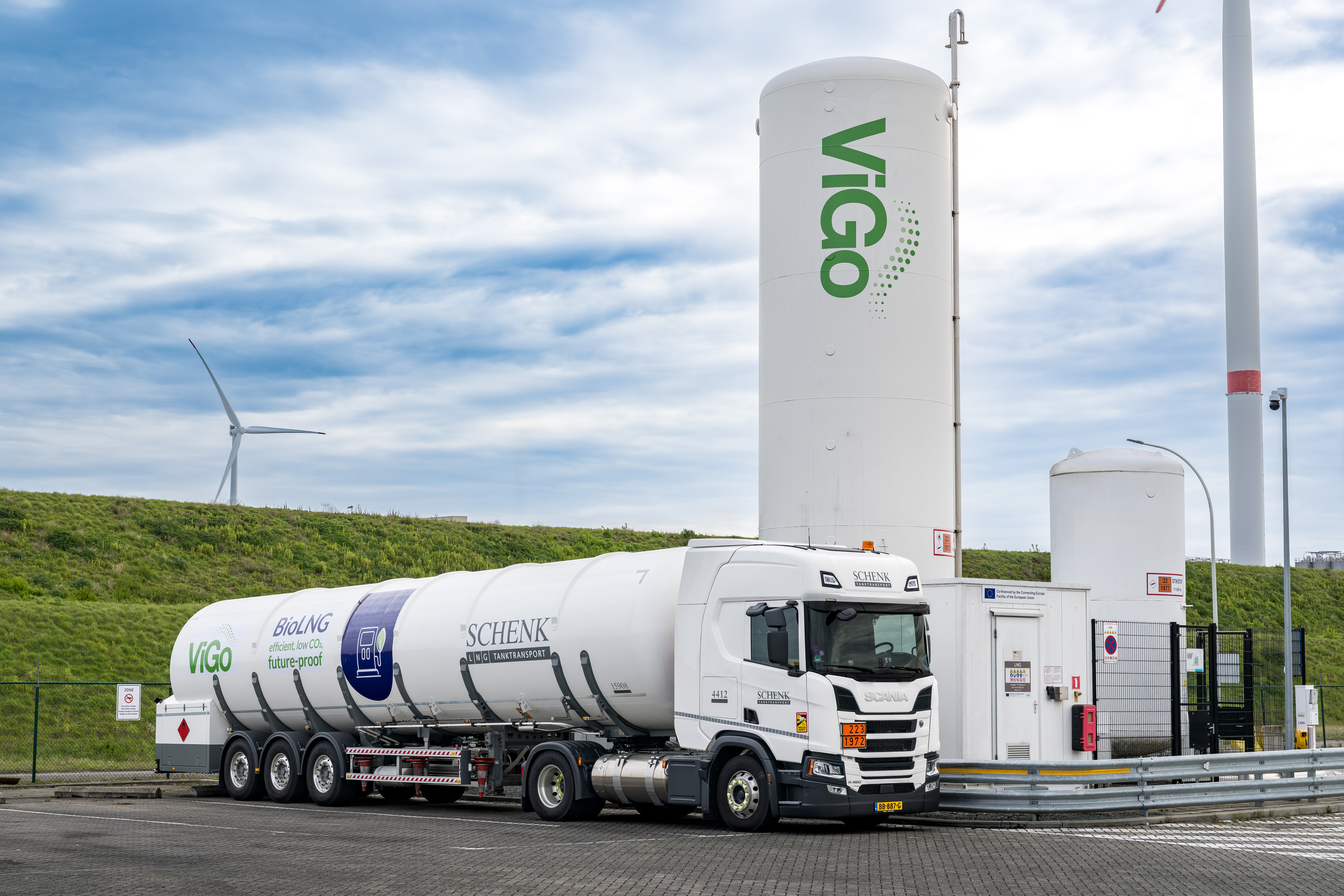
We knew that if biomethane was going to grow as a transport fuel, the refuelling network had to grow with it. That was the basis of Next Gen: helping to build the infrastructure that would make the transition workable for customers.
How has the business evolved since becoming part of Vitol and ViGo?
The biggest change has been scale. Becoming part of ViGo under Vitol’s ownership gave the business access to deeper market expertise, stronger supply capabilities and a larger European platform.
For customers, the benefit is practical. They still work with people who understand road transport and the day-to-day realities of fleet operations, but now with the added resources and reach of a leading global energy company behind them.
What are customers asking you most often at the moment?
The questions are very practical: where can I refuel, what will it cost, how reliable is supply, and how does this compare with diesel or other alternatives over time?
Customers also want to understand sustainability, certification and what role bioLNG can play in their decarbonisation plans. Our role is to give clear answers, backed by operational experience rather than theory.
What does good customer support look like in this market?
It starts before the first truck is even on the road. Good support means understanding the customer’s routes, volumes, depot strategy and commercial priorities.
It also means being honest about where bioLNG is the right fit and where it may not be. Once customers are operating, support becomes about reliability, communication and helping them optimise as their fleets grow.
Finally, what message would you give to fleet operators considering the switch?
Biomethane is a practical option for fleets that want to reduce emissions but still need their trucks to do the job they do today. I always tell customers to start with the reality of their operation: where the vehicles run, how far they travel, where they can refuel and what the numbers look like. For heavy-duty fleets, bioLNG can fit into those day-to-day patterns, while matching the practicalities of diesel (refuelling time, range, drive feel). ViGo’s role is to help customers work out where it makes sense, and then support them through the transition with confidence.