News | 30.09.2025

At the Motor Transport Decarbonisation Summit, industry leaders gathered to debate a critical question: “Is the absolute focus on zero-emissions vehicles the best pathway to reducing carbon emissions from road transport?”
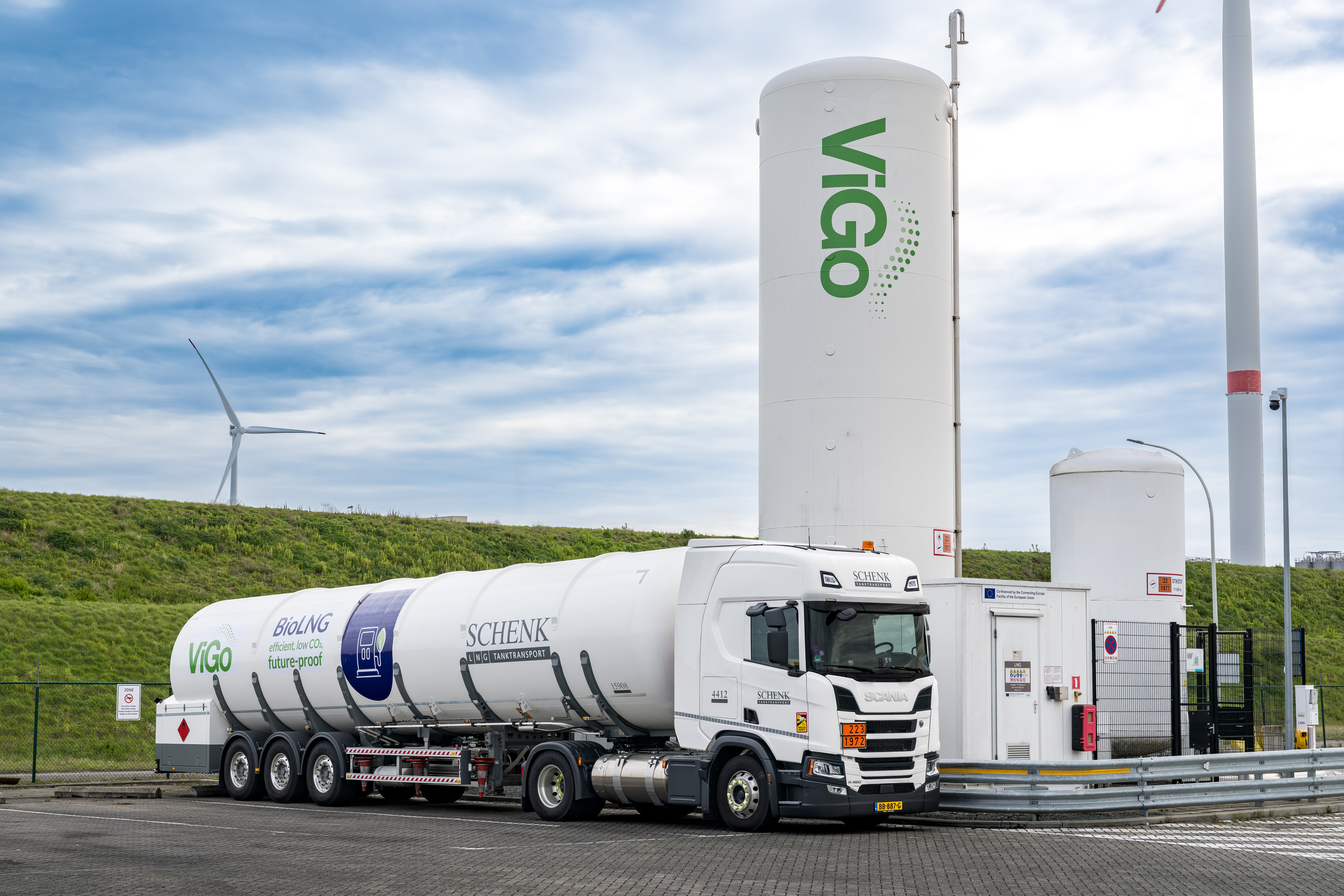
ViGo Bioenergy’s Managing Director, Jonny, took the negative side of the debate, challenging the idea that only zero-emissions vehicles (ZEVs) can deliver meaningful climate impact. His argument was clear: biomethane offers a practical, affordable solution to start decarbonising heavy transport immediately—without waiting for EV infrastructure to catch up and risking continued diesel emissions in the meantime.
While the debate was framed as a binary choice, the discussion revealed significant alignment across both sides. All speakers agreed that electrification is the right solution for lighter vehicles (under 26 tonnes), particularly those operating on short, predictable routes. However, for heavy-duty HGVs, the current limitations of EV technology—charging time, payload loss, and infrastructure gaps—make biomethane a viable and immediate alternative.
Jonny also emphasised that biomethane, especially when sourced from manure, can deliver carbon-negative lifecycle emissions compared to diesel—a reminder that measuring emissions by lifecycle impact, not just tailpipe output, is essential for meaningful progress.
“The absolute mission of zero-emissions vehicles is not to detract from what we can do today… There are completely sensible and realistic, TCO-positive solutions that you can run today—regardless of the size of your fleet.”
The debate closed with a clear call to action: industry and government must collaborate to accelerate decarbonisation, support diverse solutions, and ensure smaller operators aren’t left behind.
The key takeaway? Decarbonisation isn’t about choosing sides—it’s about choosing what works. ViGo Bioenergy is proud to be driving that real-world progress with biomethane—helping fleets act now, while supporting the transition to a cleaner future.